Mtandazo Dube
The debate over who makes up Zimbabwe’s “Big 5” has been
reignited, becoming a topical issue, for the umpteenth time,
in our music industry.
Every time the conversation starts, names are thrown around, arguments become emotional, and music fans try to defend their favourite artists.
But perhaps the biggest question is one nobody wants to ask: Has Zimbabwe produced enough dominant artists in this generation to justify a Big 5? We think not. Talent alone does not define greatness – Zimbabwe has many stars, but only a handful of artists who have reached the level of true superstardom.
Our argument is simple: Zimbabwe does not currently have a Big 5; it has a Big 3 – and a very competitive second tier. This is not an attack on the musicians who fall outside that group. Zimbabwe has produced countless talented artists, many with impressive catalogues, loyal fan bases and undeniable contributions to our culture.
But first things first: we need to define what “Big” actually means. A Big 5 should not simply mean an artist who is talented, has a few hit songs, enjoys popularity, has won awards or commands a loyal following. By that definition, Zimbabwe could easily have a Big 20.
Greatness requires something bigger – a true Big 5 should represent dominance across multiple categories.
Firstly, longevity: can the artist survive changing generations? The first measure of greatness is staying power. This is where Alick Macheso has built an almost unmatched legacy. From the height of sungura’s dominance in the 1990s to the modern streaming era, Macheso has remained relevant, maintained a huge following and continues to fill venues.
His career represents continuity – proof that an artist can evolve without losing their identity.
Secondly, cultural impact: has the artist become bigger than music? Some musicians release songs; others become part of the national conversation.
Winky D falls into the second category. He is not merely one of Zimbabwe’s biggest dancehall artists; he has become the voice of a generation. His music has reflected social realities, youth experiences and national conversations in a way that extends beyond entertainment.
That level of cultural influence is rare.
Thirdly, national and international reach: can they carry
Zimbabwe’s sound beyond our borders? A truly big artist must not only dominate locally but also represent Zimbabwe on a wider stage.
Jah Prayzah built a brand that has pushed Zimbabwean traditional influences into a modern Afro-fusion space,
creating appeal beyond the country’s borders. His collaborations, performances and musical identity have helped
position Zimbabwean music in a broader African conversation.
Fourth, commercial power: can the artist move an industry? Superstars do not only attract fans; they attract economic value. They headline major events, attract corporate partnerships, command appearance fees and remain
marketable over long periods.
Commercial relevance is part of measuring greatness because music is both art and an industry.
Fifth, a catalogue that survives time: A viral song does not create a legend, a true great has a body of work that continues to be played years after release. Their songs become memories attached to different generations.
Greatness is not measured by what is trending today, but by what survives tomorrow.
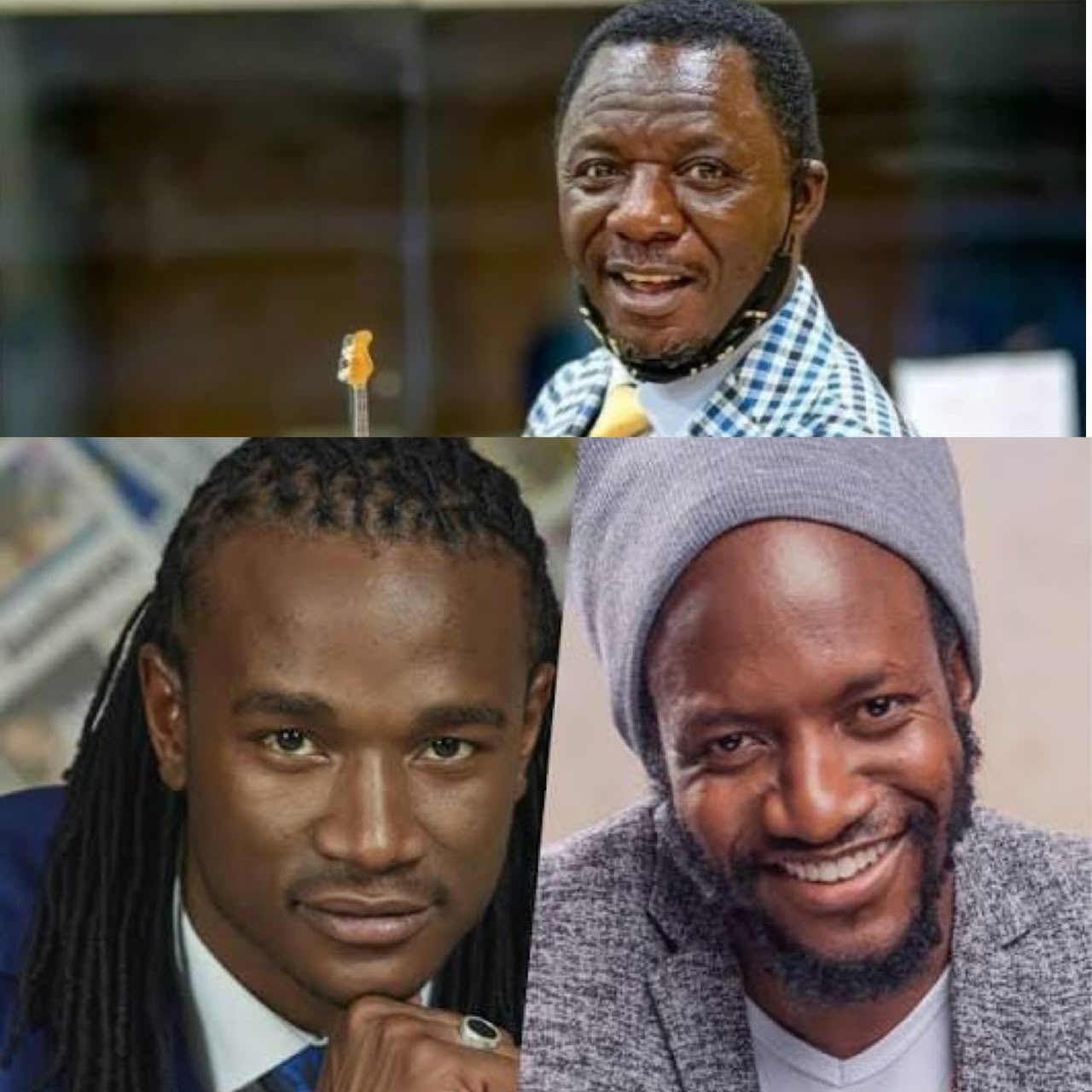
Using these standards, the argument becomes clearer: Alick Macheso, Winky D and Jah Prayzah have separated
themselves because they possess the combination of longevity, influence, reach, commercial power and enduring
catalogues.
That is why Zimbabwe currently has a Big 3.
Everyone else is competing for the remaining positions.
The second tier is not weak, in fact, it is extremely competitive. Artists such as Freeman, Baba Harare, Killer T, Feli Nandi, Nutty O, Enzo Ishal, Mokoomba, Janet Manyowa, Suluman Chimbetu, Minister Mahendere, Tocky, Vibes, ExQ and many others have built impressive careers and have strong arguments in specific categories.
But the question is not whether they are good enough. The question is whether they have achieved the same level of
dominance across all measurements.
And that is where the gap exists.
The argument about Zimbabwe’s Big 5 is not new. In fact, Zimbabwe once had a Big 5 – musicians who combined
longevity, influence, cultural ownership and an undeniable national footprint.
There was a time when the phrase carried real weight because the country had a group of artists who were not only talented but could individually carry an entire event.
During the height of the Chipaz Promotions and Josh Hozheri era, the end-of-year shutdown concerts became some of the biggest events on Zimbabwe’s entertainment calendar. These were not ordinary shows; they were cultural gatherings where the country’s biggest musicians shared one stage and competed for dominance in front of thousands of fans.
These modern musical giants would naturally include names such as Oliver Mtukudzi, Alick Macheso, Tongai Moyo,
Suluman Chimbetu and Jah Prayzah or Winky D depending on the era.
But after the passing of some legends and the changing nature of the music industry, Zimbabwe now finds itself in a
transitional period. The old giants created enormous shadows, while the next generation is still trying to produce artists who can achieve the same universal dominance.
Perhaps the mistake we are making is trying to force a Big 5. Zimbabwe should not manufacture greatness for the sake of having a number. The real debate is this: What does it take to become truly great in Zimbabwean music?
Because until we answer that question, we are simply arguing over popularity, and popularity is not the same thing as
greatness.