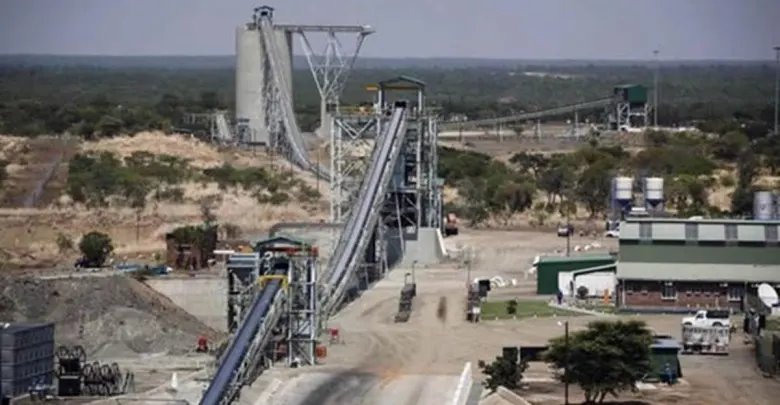
Zimplats, the Zimbabwean subsidiary of Impala Platinum Holdings Limited, has officially commissioned a new smelter plant in Selous, marking a major milestone in its US$1.8 billion expansion programme aimed at strengthening local beneficiation of platinum group metals (PGMs).
The new facility, located 80 kilometres west of Harare, triples Zimplats’ in-country processing capacity and is capable of handling up to 380,000 tonnes of concentrate annually. The plant is also expected to process feed from other mining companies, opening new doors for collaboration within Zimbabwe’s mining sector.
Speaking during the commissioning, Zimplats Chairperson Thandi Orleyn confirmed that US$1.1 billion of the total 10-year investment budget has already been channelled into various projects, reinforcing the miner’s long-term commitment to Zimbabwe.
“This smelter is not just about boosting Zimplats’ capacity—it has been built with the foresight of supporting other platinum producers operating in the country, both present and future,” said Orleyn.
The development comes at a time when Zimbabwe is intensifying efforts to ensure more minerals are processed locally before export, in line with government’s push for value addition and job creation in the extractive sector. Platinum, gold, chrome, and diamonds account for more than half of Zimbabwe’s export revenue, making mining a key pillar of the economy.
Despite the positive strides, producers continue to face hurdles including currency volatility and foreign exchange retention policies, which have made long-term planning difficult for exporters. Orleyn noted that while the operating environment remains challenging, the company remains optimistic about Zimbabwe’s mining potential.
Zimbabwe holds the world’s third-largest platinum reserves after South Africa and Russia, positioning it as a strategic player in the global PGM industry. The new smelter is expected to enhance the country’s value chain and reduce reliance on South African processing facilities.
As global demand for PGMs continues to rise—particularly in the automotive and renewable energy sectors—Zimplats’ expansion could play a key role in boosting Zimbabwe’s economic resilience and industrial capacity.